The best examples of content marketing focus on clarity, purpose, and measurable results. They are not just built to go viral. They are designed to reach the right audience, solve real problems, and support long-term goals. Many brands today are shifting away from high-volume publishing toward fewer, more thoughtful campaigns.
This shift is not just about better storytelling. It is about building content that works across channels and keeps people coming back.
Most content marketing fails because it tries to do too much or says too little. It often lacks a clear goal, ignores user behavior, and offers limited value. The most effective campaigns work differently. They are focused, relevant, and shaped by how people actually consume content.
To understand what sets them apart, we need to look beyond format and branding. We need to study the thinking behind them. Let’s get on with it then.
AI-led personalization and experience design
Some of the best examples of content marketing in recent years have used artificial intelligence to deliver more personal, relevant, and timely experiences. These campaigns stand out not because of scale, but because of how closely they reflect what users need in real time.
Rare Beauty’s Substack Strategy
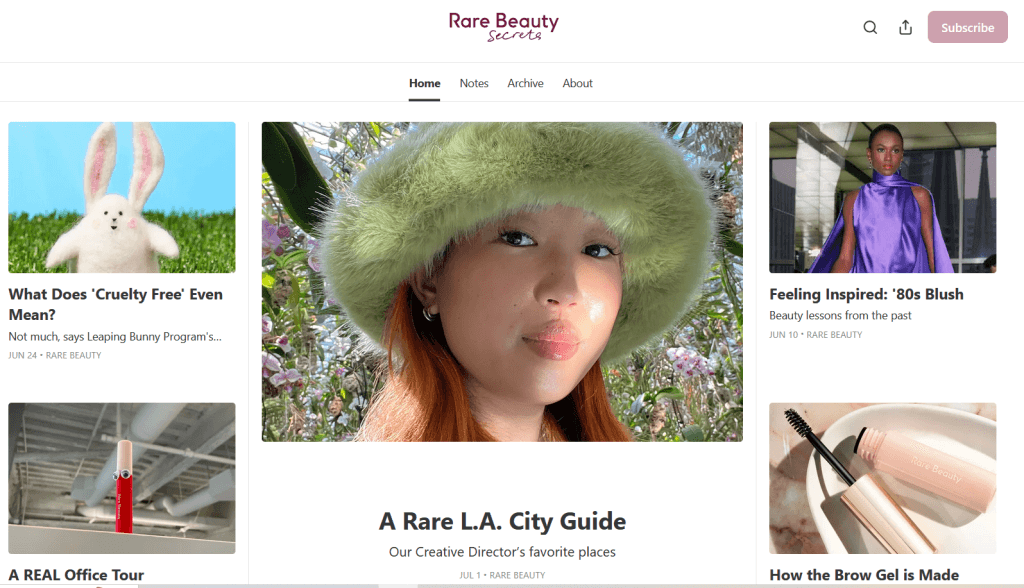
Selena Gomez’s popular makeup brand recently built a community-led newsletter using Substack to share unfiltered stories, mental health advice, and behind-the-scenes product development. Instead of pushing product links, the brand created a direct line between users and its founder, supported by audience-driven content cues. The result was a highly engaged base that grew organically and remained active across touchpoints.
Netflix’s Customized Recommendations
The streaming giant used viewing data to create customized watch guides based on personal taste profiles. These weren’t just algorithmic suggestions inside the app but were delivered through email, mobile notifications, and social channels with tailored visuals and curated titles. This multi-channel personalization led to longer session times and a visible drop in churn.
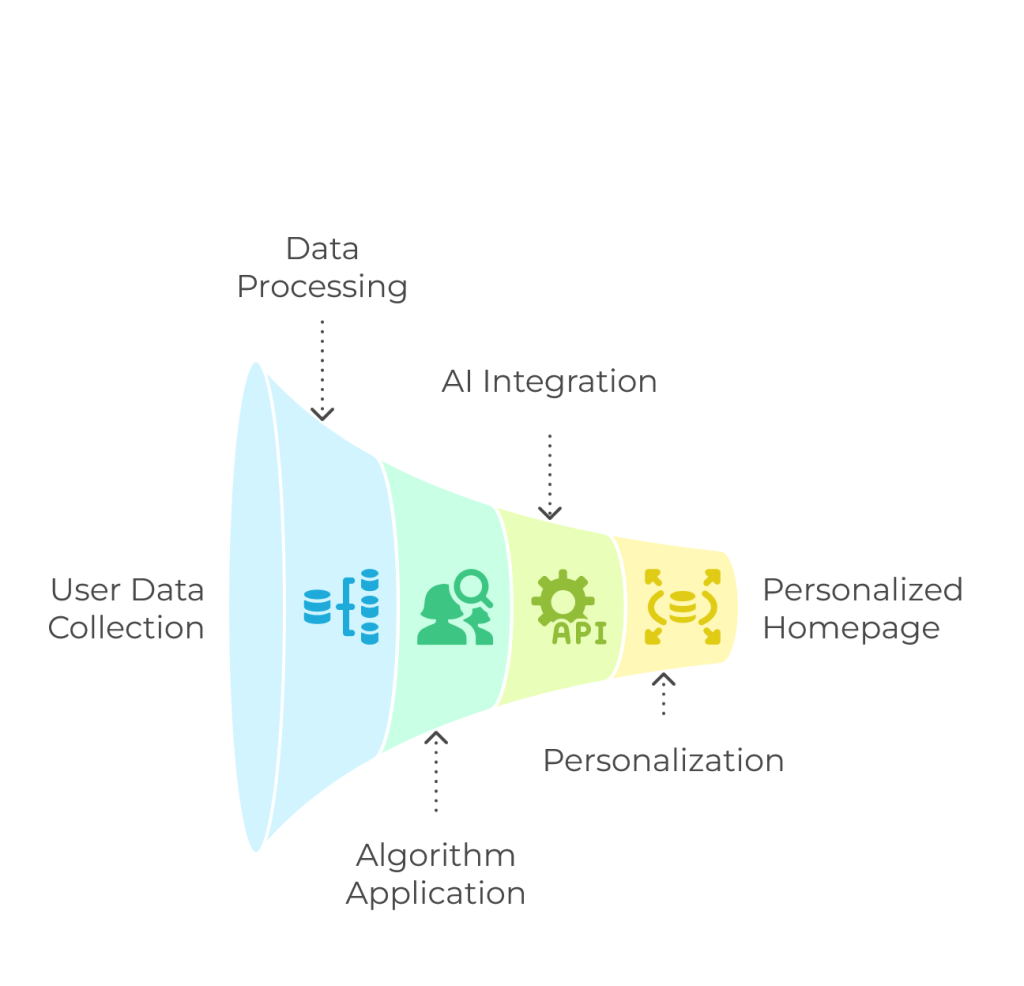
What the Netflix campaigns have in common is a clear content marketing strategy:
- Use data to make each message more relevant, not just more frequent.
- Instead of broadcasting to everyone, they narrowed the message to individuals at scale.
For brands exploring AI to entice their audience, these are strong content marketing strategy examples to follow for greater reach and stronger connections.
Fandom and creator-led community building
This type of content marketing focuses on turning audiences into contributors. Instead of pushing out polished messages, brands collaborate with fans, creators, or insiders to co-create value. The outcome is not just higher engagement, but a deeper brand connection built through trust, relevance, and shared experience.
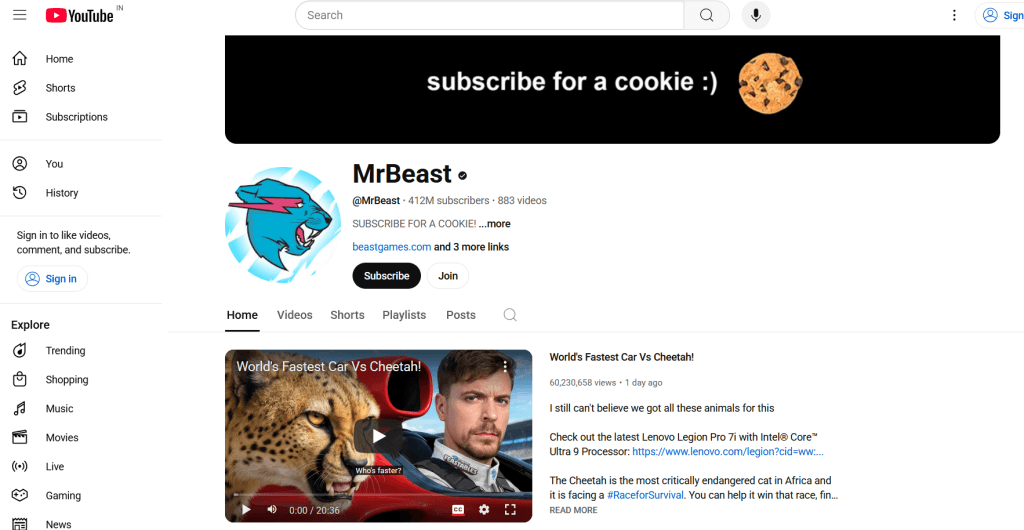
MrBeast Content Strategy
Primarily a YouTube vlogger, MrBeast uses this model at scale. Every new product or challenge is presented as a story that viewers help shape. Whether it is a food brand launch or a large-scale giveaway, the content is designed to feel participatory. That means people are not just watching but influencing what comes next.
Louis Vuitton’s DM Strategy
The international fashion brand applied a quieter version of this approach. It used direct messaging to build private content experiences for selected followers. These included early previews, custom drops, and limited access offers. The content was exclusive, but it felt personal. That balance helped deepen brand affinity without relying on ads or influencers alone.
For teams building a content marketing strategy, these campaigns show how relevance increases when the audience feels directly involved. They also offer strong, modern examples of content marketing where the goal is not just reach, but retention.
UGC that builds emotional credibility
UGC, or user-generated content, refers to content created by real users rather than brands. It includes videos, photos, reviews, edits, and responses that reflect how people experience a product or service in their own words. When used with purpose, UGC adds depth, trust, and authenticity that traditional brand campaigns often lack.
Superdrug’s “Perceptions of Perfection”
This campaign is a strong example of establishing emotional connectivity with the audience. The brand sent an unedited photo of a woman to graphic designers in 18 countries and asked them to retouch it according to local beauty standards. The resulting images sparked a global conversation about body image, media pressure, and unrealistic expectations. The content was simple, but the response was massive, over 700,000 site visits, close to one million shares, and coverage in major publications across regions.

Swiggy Starhunt
The food and grocery delivery business used UGC in a completely different way. Through its “Swiggy Starhunt” challenge, it invited delivery partners to showcase their talents on short video platforms. The campaign gained visibility through regional language content and micro-influencer support. It generated over 44 million video views and helped position Swiggy as a brand that values its workforce, not just its customers.

What makes these two campaigns stand out is their focus on REAL STORIES. In both cases, the content did not sell a product. It sparked emotion, conversation, and participation. For any brand developing a content marketing strategy, these are among the best content marketing examples that underline the importance of UGC.
Gamified and interactive brand engagement
Interactive content formats are no longer just add-ons. They have become central to how users experience and remember a brand. Gamified campaigns use simple mechanics, like choices, challenges, or incentives, to make people stay longer, engage more often, and return with intent. When aligned with a clear objective, these are some of the best examples of content marketing that lead to higher conversion and recall.
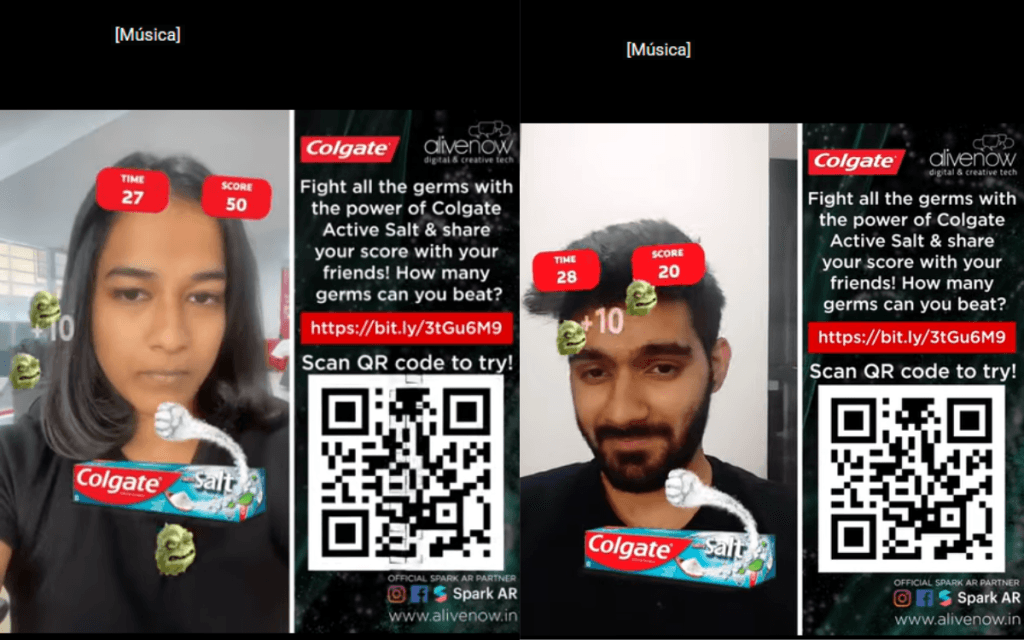
Colgate’s AR-Based Content Strategy
The brand created an augmented reality (AR) experience during a seasonal promotion in 2022. Users who purchased a product could access a playful bubble-popping game that used facial recognition to let them pop bubbles with their nose. The experience tied back to the Palmolive gift set being promoted. Within two weeks, over one million people interacted with the game, and tens of thousands visited the purchase page through campaign-linked content.
Semrush’s Easter Egg Hunt
The enterprise SEO tool took a different approach, however, in 2017. It’s turned its product interface into a temporary game. Through its “Easter Egg Hunt,” users had to complete product-related tasks to unlock rewards. This doubled as both feature onboarding and engagement. The campaign brought in thousands of participants and generated millions of impressions through social shares.

Can you say what are the similarities between these content marketing strategy examples? Well, they do highlight how interaction is built into the experience, and not added on top. Each campaign used format and timing to pull people in, reward their attention, and connect them closely to the brand.
Evergreen campaigns with real ROI
Some of the best examples of content marketing are campaigns that keep performing long after they launch. These initiatives are not built around trends or quick wins. They deliver steady results because they focus on relevance, utility, and long-term value. This kind of content continues to bring in leads, traffic, or conversions without needing constant updates or new investment.
Blendtec’s “Will It Blend?” series
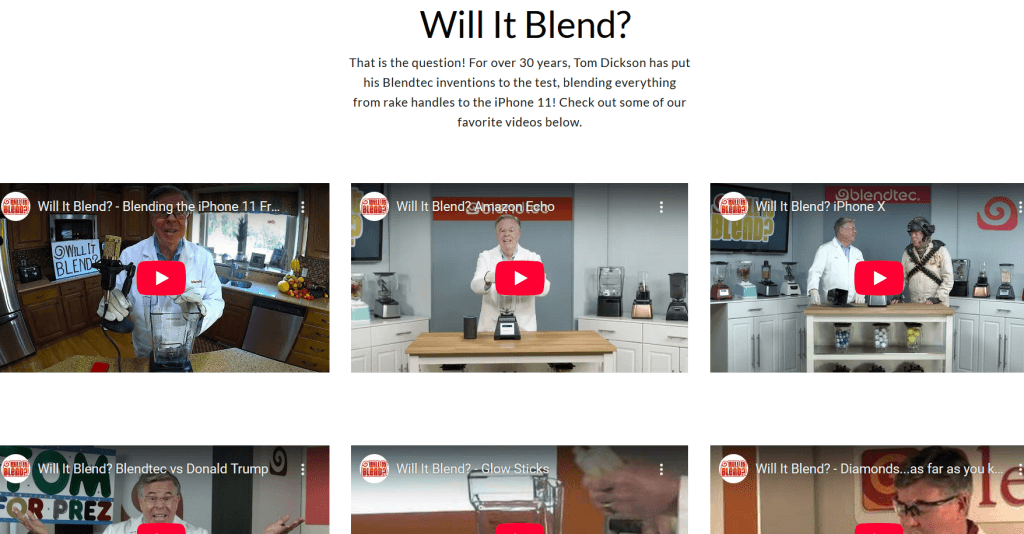
It’s one of the most cited evergreen campaigns in digital marketing. It began as a simple idea: test the strength of Blendtec blenders by blending unexpected objects. The videos were short, consistent, and shareable. Over time, the campaign grew quite popular on social media. Even years later, new audiences still discover the content through search, social shares, and YouTube recommendations.
Capegemini’s Connected Marketing Engine
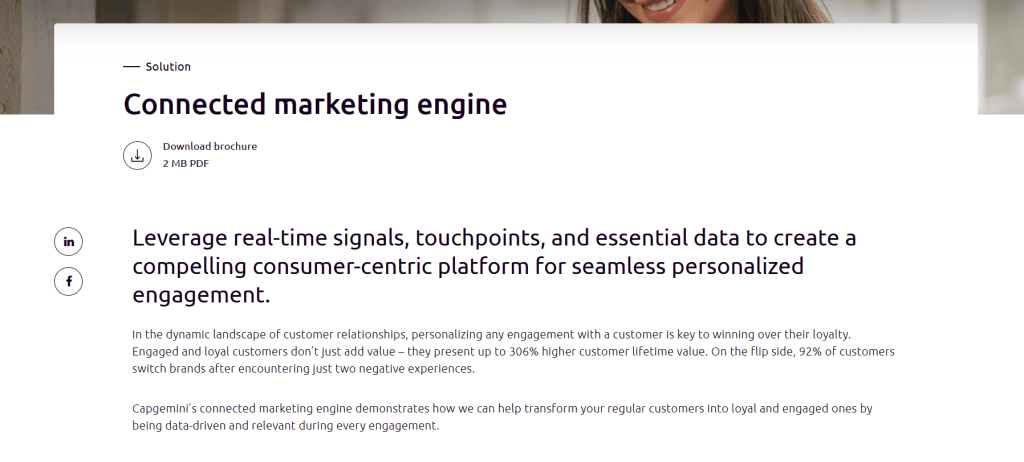
Capgemini built a different kind of evergreen engine. The consulting firm launched a blog-driven content hub focused on enterprise technology topics like cloud, AI, and digital transformation. The content was structured around common business questions, supported by research, and optimized for organic search. Over the course of a year, it attracted more than one million new visitors and generated tens of thousands of qualified leads. The impact extended beyond traffic, supporting sales growth and improving brand visibility in key markets.
Microsoft’s Future Ready Strategy

The tech giant used a segmented content model aligned with specific personas and product lines. Its content marketing strategy included social posts, educational videos, and case studies designed for targeted groups, from developers to IT managers. The company maintained consistency while updating formats based on performance. Over time, this helped build a stronger pipeline for both awareness and adoption across multiple product categories.
All these campaigns are useful examples of content marketing that prove value does not need to be short-lived. When content is tied to a clear problem and structured for discoverability, it becomes a long-term asset.
New and rising formats worth testing now
Content marketing continues to evolve as platforms, technology, and audience behavior shift. Brands that experiment with newer formats often find new ways to connect, especially in categories where traditional campaigns no longer stand out.
The following formats may not yet be standard practice, but they are gaining momentum and producing measurable outcomes. Let’s explore:
Generative AI storytelling
It’s becoming a practical tool for content teams. Instead of writing from scratch, brands are using AI to produce structured content variations, personalize messaging at scale, and test headlines or visuals in real time. A few early adopters in eCommerce and education have reported faster production cycles and stronger email open rates when using AI-generated copy customized to user behavior. While the tools still require human input, they are making content delivery faster and more adaptive.
Meme-format repackaging
This is yet another new-gen strategy gaining traction, especially on short-form platforms. Some B2C brands are now creating campaign content using meme layouts with simple text overlays, reaction faces, or trending templates. These assets are not meant to last. They are meant to be timely, recognizable, and relatable. The result is higher shareability and reach, especially among younger audiences.
Advergame-based onboarding
This one combines education with interaction. Instead of showing a tutorial or product demo, the experience is built as a simple game. A few fintech and wellness apps have tested this with strong results. Users who completed a game-based walkthrough showed higher retention and better understanding of the product compared to those who saw static instructions.
While not yet mainstream, these are some of the best content marketing examples to keep a track on. They reflect a shift toward experience-driven content that meets the user where they are and gives them a reason to respond.
Behind the scenes of top content marketing examples – What worked and why
| Brand | Format | Primary goal | Notable feature |
|---|---|---|---|
| Superdrug | Visual UGC campaign | Global conversation | Over 1 million social shares and global press coverage sparked by emotion-led content on beauty standards (Stylight) |
| MrBeast | Creator-led product content | Product engagement | Scaled brand ecosystem with built-in fan participation and content-driven commerce |
| Colgate | AR gamified promo | Online sales lift | Interactive mobile game tied to purchase, using facial recognition to increase engagement |
| MIVI | Instagram interactive story | Product awareness | Influencer-driven game format with high first-day participation using story-based navigation |
| Capgemini | Evergreen blog hub | Lead generation | Search-optimized thought leadership designed for enterprise buyer journeys |
| Semrush | Product feature game | Onboarding and reach | Gamified toolkit walkthrough encouraging social sharing and feature discovery |
| Louis Vuitton | Direct-message content | Brand intimacy | Exclusive drops delivered via private channels, creating high-trust engagement loops |
| Blendtec | YouTube video series | Brand visibility | Long-running series drove a 700% sales increase, proving value of product-led content over time (Science of Retail) |
How to adapt the best strategies to your content marketing efforts
The best content marketing examples work because they match message, format, and timing with a clear business goal. While not every campaign can be replicated, the thinking behind them can be applied across industries and budgets.
Here are five ways to turn these lessons into practice:
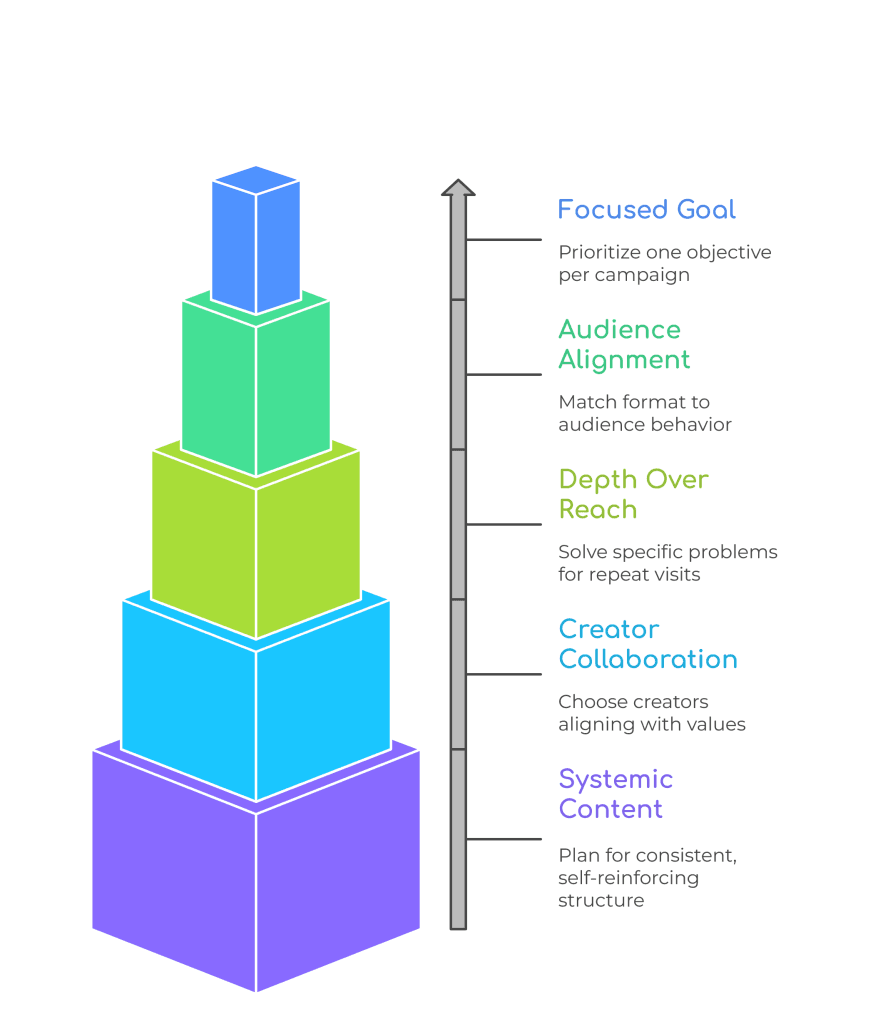
Using the results-driven examples of content marketing, you can modify yours to suit your product, platform, and people. Start small, measure response, and build on what works.
Actionable takeaways for marketers and content teams
Every campaign featured in this blog followed a clear pattern. They were built with intent, grounded in audience insight, and focused on outcomes. Here are the most practical lessons to apply, whether you’re designing a full campaign or just testing new formats.
- Focus on one conversion path at a time – Trying to drive awareness, sign-ups, and sales from the same piece of content usually leads to confusion. Choose one path and align every element to that goal.
- Make the audience the content, not just the recipient – Some of the best content marketing examples rely on user stories, creator input, or social proof. Participation builds credibility. Build systems that invite response, not just attention.
- Design for distribution before you hit publish – Colgate’s AR game and MIVI’s interactive story worked because they were easy to share and built for the platforms where their audience already spends time. Content without a path to reach users is unlikely to perform, no matter how creative it looks.
- Small tests beat big assumptions – Not every idea needs a large budget or long timeline. A meme format, an interactive poll, or a targeted message can produce real insight. Measure early, refine quickly.
- Long-term assets still win – While short-form trends come and go, evergreen campaigns like Blendtec’s series or Capgemini’s content hub continue to deliver results. Your content strategy should balance both.
If you’re building or rethinking your approach, these content marketing strategies show that success does not require novelty but relevance, timing, and clear intent.
Final thoughts
Great content marketing is not defined by format or budget. It works when it speaks clearly, solves a problem, and respects the way people choose to engage. Every campaign in this list succeeded by aligning message, method, and intent.
Whether you are running a large-scale strategy or testing a single idea, these content marketing strategy examples show that results come from relevance, not reach alone. The best content marketing strategies do not try to speak to everyone. They speak to someone, clearly and directly.
Use what fits your audience, test what feels unfamiliar, and measure what matters. That is how strong campaigns are built and why they last.